Faculty of Engineering and Computing (FE & C) is the dynamic faculty offering state of the art education in the most advanced fields of the world. FEC has grown exponentially since its establishment. Computer Science, Engineering Programs commenced in Jan 2002 and Aug 2006, respectively. We are providing high Tech education to the students from different educational backgrounds.
- We nurture the students as per the demands of the Software industry
- We link them with industrial experts and Alumni in the relevant industry to work on joint ventures.
- We strengthen theoretical concepts through practical work in Computer Labs.
- We enhance the course outlines as per regular interactions with the IT experts from national and international industry.
- We groom our faculty as per the demanding requirements in the Software industry.
Our Alumni are serving at well reputed organizations for web applications, mobile applications, AI based solutions and analysis, Game engines & Game development, Software Quality Assurance, Embedded systems, Data Mining & Analysis, DevOps, Networking and Cyber security solutions. A large number of our graduates are studying abroad for higher education or serving in well reputed industrial organizations. Our students developed the prominent projects and won 80+ software competitions in different universities. We provide them opportunities for professional level software development at industry technology Centre ITCON at NUML for live projects. The students are groomed to become responsible citizens and serve the nation.
The faculty comprises of Electrical Engineering, Software Engineering, Computer Science and Mathematics departments. Our BE Electrical Engineering degree has been accredited by PEC from very first batch of students. Programs of BS Computer Science and BS Software Engineering are accredited by NCEAC - HEC.
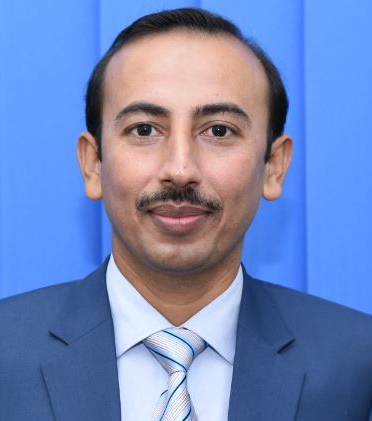
Associate Professor, Software Developer and Top 2% Researcher Worldwide.
- Dr. Ata Ullah